

Pescrap
A multi-stakeholder co-creation process that supports the design of a national system for the circular management of fishing and aquaculture gear at the end of its useful life
2026–2027
PESCRAP is a collaborative project that works towards a national system for the collection, management and recovery of fishing and aquaculture gear at the end of its useful life. The initiative responds to new extended producer responsibility requirements and aims to establish the technical, economic and organisational foundations needed for a circular management model led by producers and developed in cooperation with the fishing sector, ports, public authorities, waste managers, researchers and other organisations across the value chain. The project combines regulatory and market analysis with technical studies, pilot activities and a broad multi-stakeholder participation process. Interviews, questionnaires and co-creation workshops in Galicia and Valencia are used to understand current practices, identify responsibilities and barriers, and jointly design future arrangements for collection, traceability, financing, recovery and governance. The University of Vigo leads the participatory work and helps translate the knowledge and priorities of the different actors into a shared roadmap for a future national system. PESCRAP is developed by the Foundation for the Circular Economy, AIMPLAS, the Vertidos Cero Association and the Post-Growth Innovation Lab at the University of Vigo, with support from the Biodiversity Foundation through the Pleamar Programme and co-financing from the European Maritime, Fisheries and Aquaculture Fund.
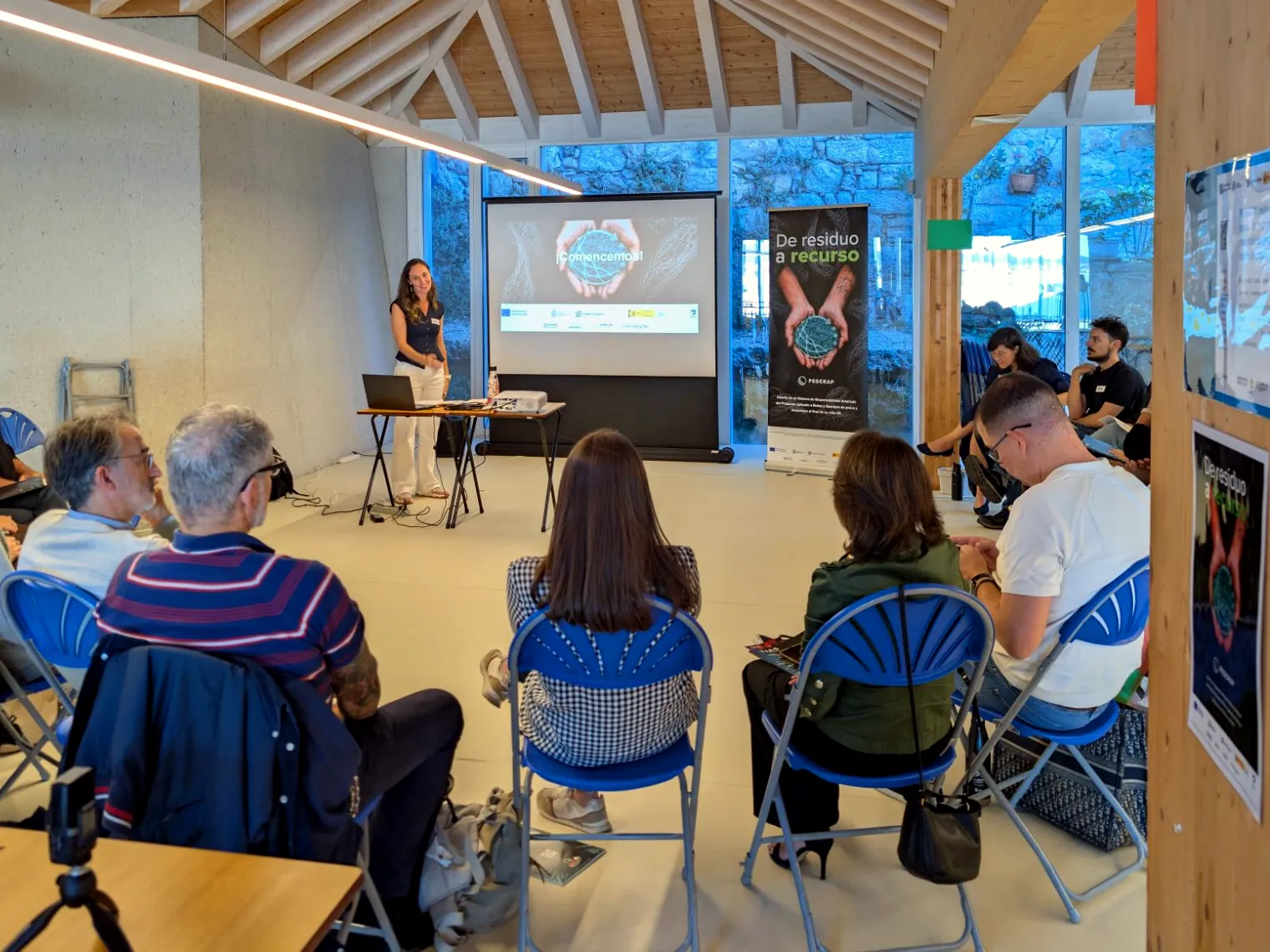
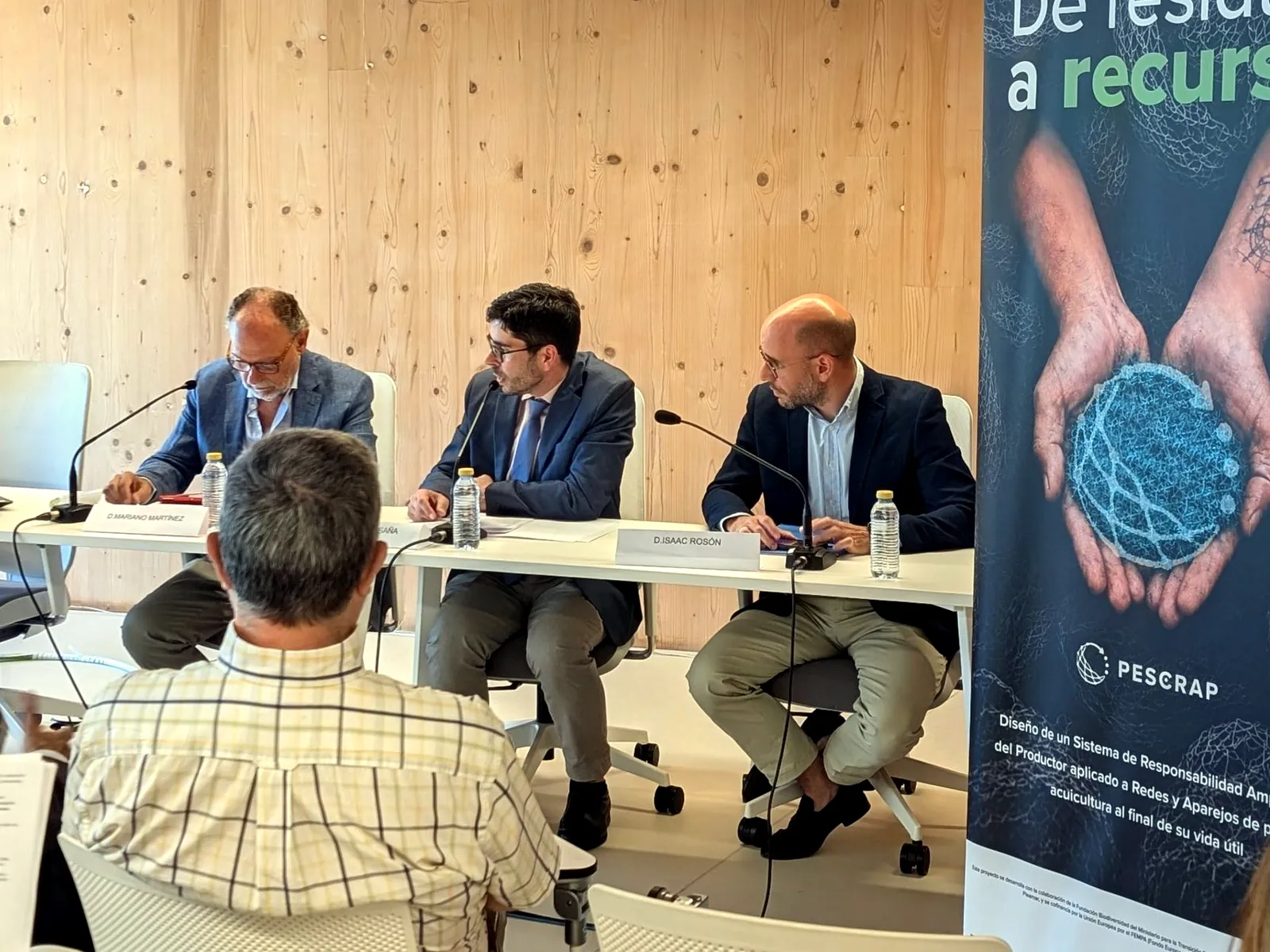
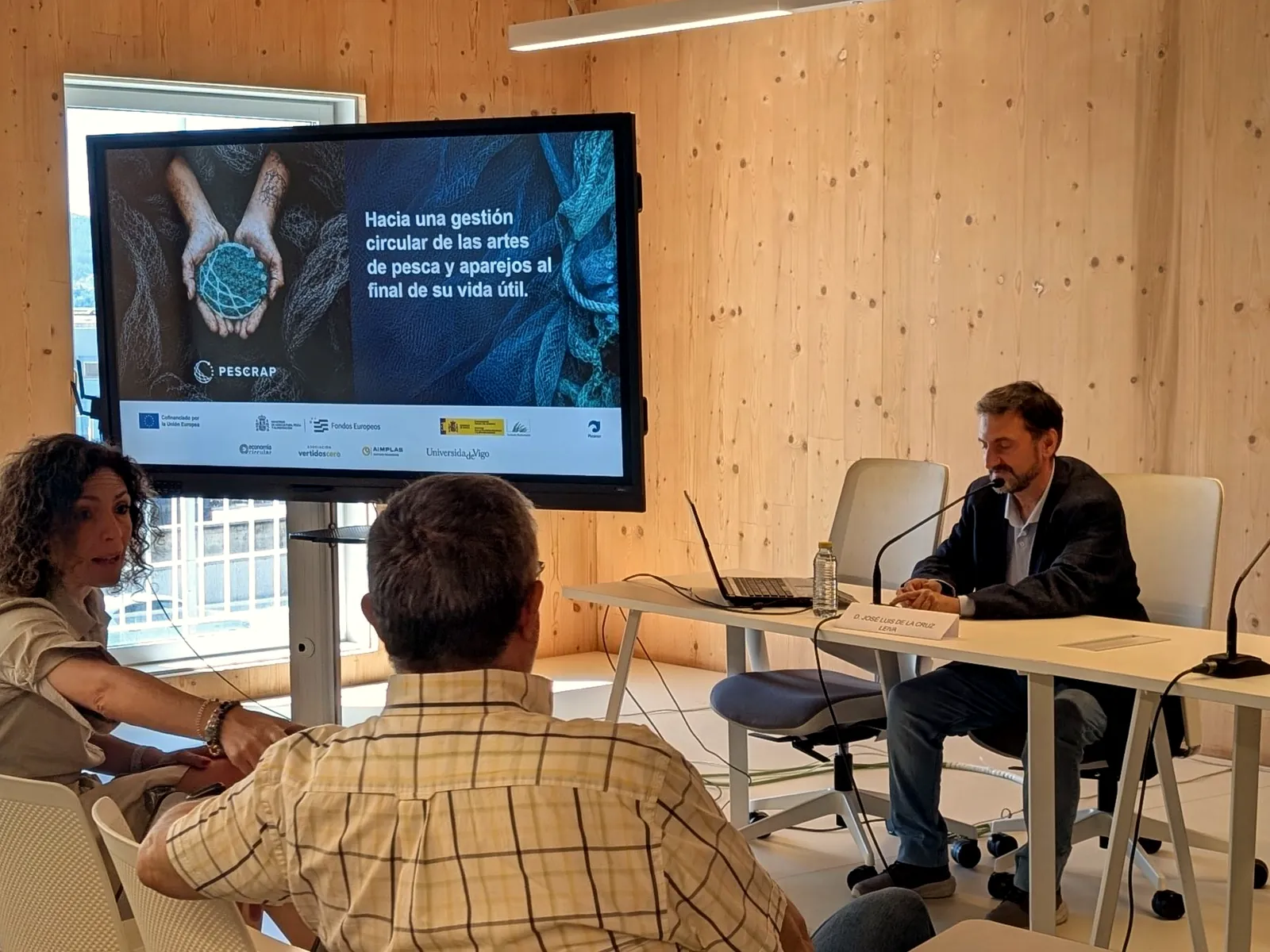
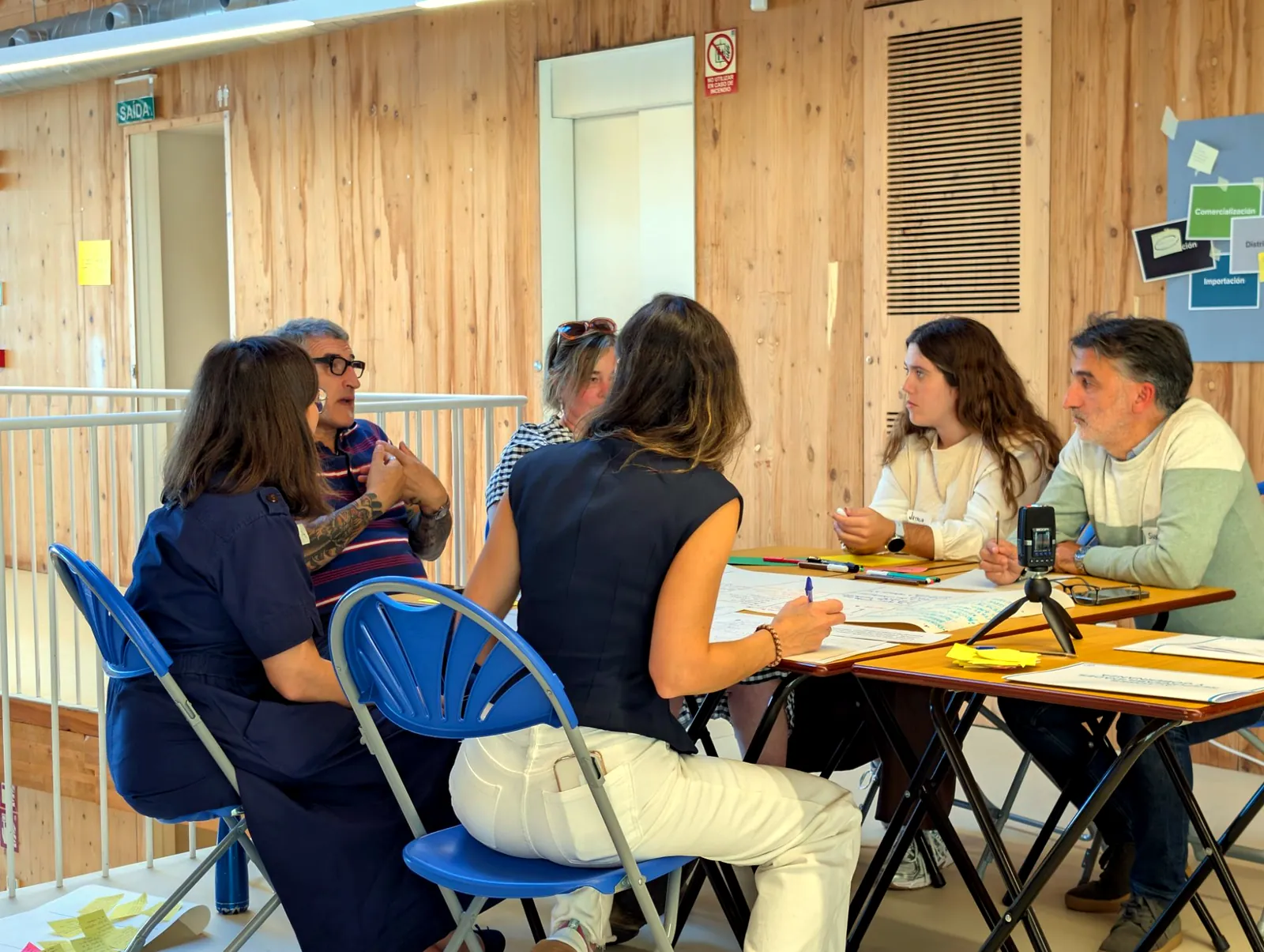
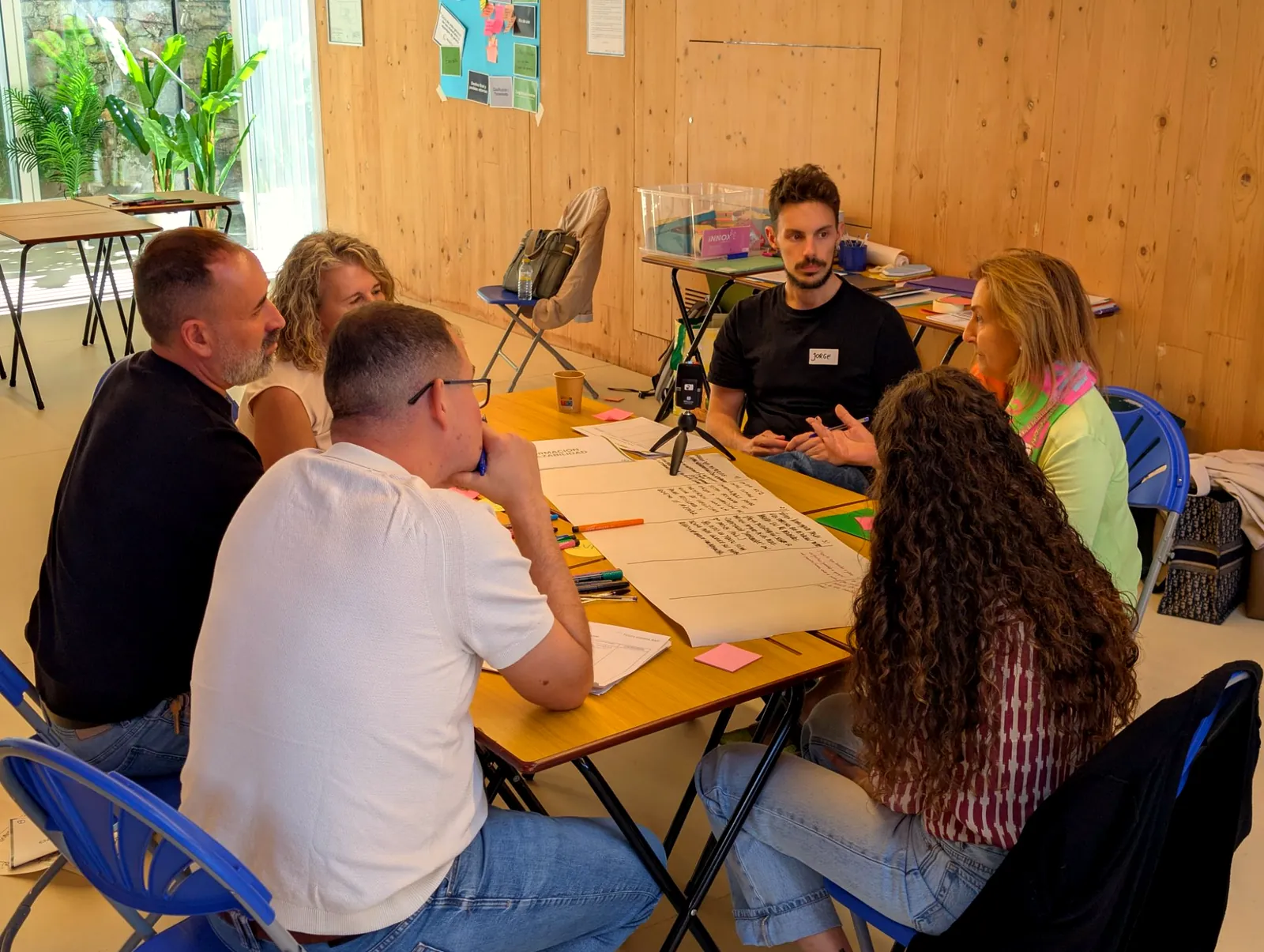
The project has already held its presentation event and its first co-creation working session. At the presentation, the partners shared the goals of PESCRAP with organisations from across the value chain. In the working session, people from different parts of the chain worked in small groups to share their experience and begin identifying the needs, barriers and proposals that will shape the future system.